
Zebra Danio Care Guide
(Beginner-Friendly Fish Profile)
Overview
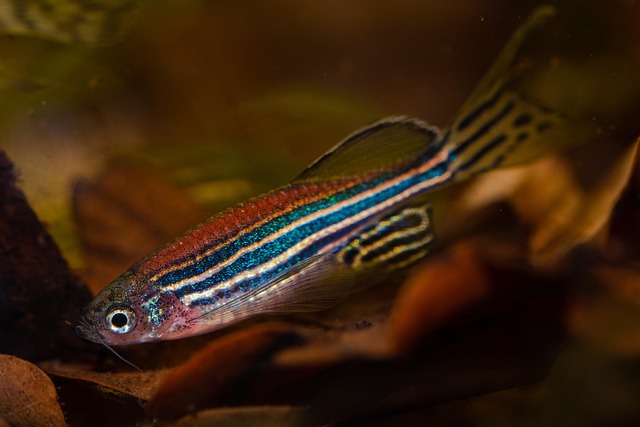
Zebra danios are one of the hardiest freshwater fish available, making them a classic choice for beginners. Their small size, constant activity, and bold horizontal striping add energy and movement to community aquariums.
Because of their resilience and adaptability, zebra danios are often recommended for first-time fish keepers. They tolerate a wide range of conditions and are forgiving of early mistakes when basic care needs are met.
Quick Facts (Zebra Danio Care Sheet)
- Minimum tank size: 10 gallons (bigger is better for a school)
- Temperature: 64–75°F (stable is more important than perfect)
- pH: 6.5–7.5
- Water hardness: Soft to moderate
- Filtration: Moderate flow
- Temperament: Peaceful, active schooling fish
- Diet: Omnivore (flakes/pellets + occasional frozen/live foods)
- Group Size: 6+
Tank Requirements
Zebra danios are active swimmers and appreciate open space to move. A well-filtered tank with stable water parameters is more important than perfect numbers.
Minimum tank size: 10 gallons
- Zebra danios do best in a group, so extra swimming room helps reduce stress and chasing.
Filtration and flow: Moderate flow
- They like moving water, but avoid turning the tank into a “washing machine.”
New to aquariums? If this is your first tank, check out our Start Your First Tank guide for a step-by-step walkthrough on choosing equipment, cycling your tank, and avoiding common beginner mistakes.
Zebra Danio Temperature
- Recommended range: 64–75°F
Zebra danios can tolerate cooler water than many tropical fish, but they do best when the temperature is stable. Sudden swings cause more stress than being a degree or two “off.”
- Do zebra danios need a heater?
If your room stays consistently within the safe range, you may not need one. If your home swings cooler at night or in winter, a heater helps keep the tank stable.
Zebra Danio Food
Zebra danios are omnivores and are easy to feed.
Best staple food (daily)
A high-quality flake or small pellet formulated for tropical community fish works well as a staple.
Best treats (1–3 times per week)
They also accept frozen or live foods such as:
- Brine shrimp
- Daphnia
How often to feed zebra danios
Feed small amounts once or twice daily. Feed only what they can eat in 30–60 seconds.
Behavior, Group Size, and Tank Mates
Zebra danios are peaceful, social fish that do best in groups. Keeping them in a small school helps reduce stress and encourages natural behavior.
They are excellent community fish and get along well with other calm, beginner-friendly species. Their fast movement can occasionally startle very slow or timid tank mates, but they are not aggressive.
Breeding
Zebra danios are egg layers and may spawn in home aquariums without intervention. While breeding is not difficult, raising fry requires additional setup and attention.
For most beginners, breeding can be safely ignored, as eggs are often eaten in community tanks.
Why This Fish Is Great for Beginners
Zebra danios are an excellent introduction to community fishkeeping:
- Extremely hardy and adaptable
- Peaceful and easy to care for
- Active and engaging to watch
- Widely available and affordable
Their resilience and simplicity make zebra danios a reliable choice for anyone starting their first freshwater aquarium.
Just Getting Started? Before buying equipment, see our Beginner Gear Checklist for a simple breakdown of what you’ll need.
FAQ
What do zebra danios eat?
- High-quality flakes or small pellets daily, plus occasional frozen/live foods like brine shrimp or daphnia.
What temperature do zebra danios need?
- 64–75°F with stable conditions.
How often should I feed zebra danios?
- Once or twice daily in small amounts.
How many Zebra danios should you keep?
- 6+ , they really want to be in a school.
Do Zebra Danios need a heater?
- Only if your tank temperature drops below the safe range or swings a lot—stability matters most.