
Start Your First Tank:
A Beginner’s Step-by-Step Guide
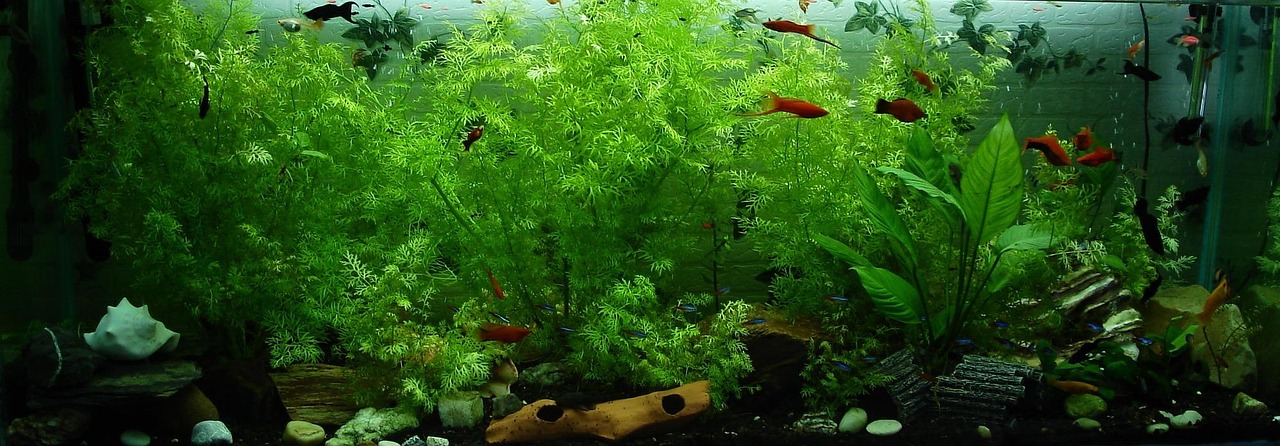
Starting your first aquarium is exciting, but it can also feel overwhelming. With the right setup, though, it becomes one of the easiest and most rewarding hobbies you’ll ever take on. This guide walks you through everything you need to know to set up your first freshwater tank with confidence — from choosing the right size to adding your first fish.
Table of Contents
- Choose the Right Tank Size
- Essential Equipment You’ll Need
- Rinse Your Substrate and Set Up the Tank
- Fill the Tank and Add Water Conditioner
- Start the Filter and Heater
- Understand the Nitrogen Cycle (The Most Important Step)
- Choose Beginner-Friendly Fish
- Add Fish Slowly and Safely
- Maintenance Basics (Easy Weekly Routine)
- Common Beginner Mistakes to Avoid
- Final Thoughts
1. Choose the Right Tank Size
One of the most common beginner mistakes is starting with a tank that’s too small.
Smaller tanks may be cheaper upfront, but they’re harder to maintain. With less water volume, temperature, ammonia, and pH can change quickly — which puts more stress on your fish.
Best beginner tank sizes
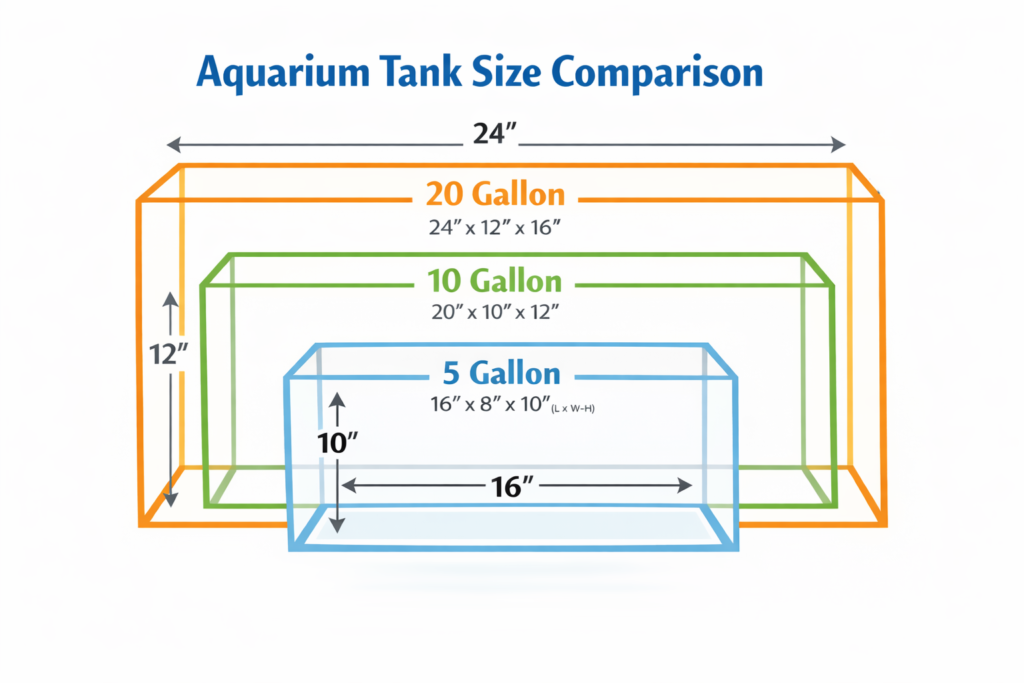
- 20-gallon — ideal for most beginners
- 10-gallon — doable, but requires more frequent monitoring
- 5-gallon — best left to experienced keepers or intentional nano setups
In general, the bigger the tank, the more stable your water will be, and the easier it is to keep your fish healthy and happy.
💡 Personal tip:
The first tank that really got me hooked on the hobby was a 29-gallon. It gave me enough room to try different layouts, keep a nice variety of fish, and experiment over the years. I had a ton of fun breeding guppies, platies, and even bristlenose plecos in that tank — and it’s the setup that made everything “click” for me.
Where to Place Your Tank
Where you place your aquarium matters more than most beginners realize.
Choose a location that is:
- Away from direct sunlight (prevents algae issues)
- On a level, sturdy surface that can support the full weight of the tank
- Near a power outlet for your filter and heater
- Easy to access for water changes and maintenance
Avoid placing your tank near windows, heating vents, or high-traffic areas where it could get bumped.
A stable, low-stress environment makes it easier to maintain water quality — and keeps your fish healthier in the long run.
2. Essential Equipment You’ll Need
You don’t need anything fancy to start a successful freshwater aquarium. A simple setup with reliable basics is more than enough for most beginners.
Below is a checklist of the essential equipment you’ll need before adding fish.
Before you gather gear, check out our aquarium gear checklist for beginners — it walks through everything you’ll need (and why) to build your first tank with confidence.
✓ Tank
Glass or acrylic both work fine, but glass tanks are the most common and beginner-friendly. Choose a tank size you’re comfortable maintaining long-term.
If you’re deciding between sizes, a 29-gallon glass aquarium is only slightly larger than a 20-gallon but offers extra room for stocking and layout flexibility.
✓ Filter
A filter keeps your water clean, oxygenated, and safe for fish. It also provides a home for beneficial bacteria that are essential to the nitrogen cycle.
For most beginners, these two filter types are simple and reliable:
- Hang-on-back (HOB) filters — easy to install, easy to maintain, and widely available
- Sponge filters — gentle flow, very forgiving, and great for smaller or quieter setups
If you’re starting with a standard community tank, a hang-on-back filter rated for your tank size is usually the easiest option.
✓ Heater
Most beginner freshwater fish are tropical and need water kept between 75–80°F. A heater helps maintain a stable temperature, especially overnight or during cooler months.
Choose an adjustable aquarium heater rated for your tank size rather than a preset model. Adjustable heaters give you more control and help prevent temperature swings.
Set your heater around 76–78°F and place it where water flows past it, such as near the filter output.
✓ Substrate
Substrate is the material that lines the bottom of your aquarium.
For beginners, the two most common and reliable options are:
- Gravel — easy to clean and widely available
- Sand — smooth, natural-looking, and great for certain bottom-dwelling fish
Both options work well for a first tank, so choose the look you prefer.
Be sure to rinse your substrate thoroughly before adding it to the tank.
✓ Water Conditioner
Tap water contains chlorine and chloramines that are harmful to fish. A water conditioner removes these instantly, making tap water safe for your aquarium.
You’ll need to use water conditioner every time you add new tap water — including water changes.
Choose a freshwater aquarium water conditioner and follow the dosing instructions on the bottle.
✓ Test Kit
A test kit allows you to monitor your water quality and understand what’s happening inside your aquarium.
At a minimum, you’ll want to be able to test:
- Ammonia
- Nitrite
- Nitrate
These readings are essential for tracking the nitrogen cycle and keeping your fish safe, especially in a new tank.
Choose a freshwater liquid aquarium test kit rather than test strips, as liquid kits are more accurate and reliable.
✓ Light
Fish do not require special lighting to thrive.
If your tank comes with a lid and built-in light, that is usually more than enough for a beginner setup. Standard aquarium lighting helps maintain a normal day–night cycle and allows you to enjoy viewing your fish.
You don’t need to upgrade your lighting unless you plan to keep live plants or create a more advanced setup.
If your tank does not include a lid or light, you’ll want to add a simple aquarium lid and basic light to complete the setup.
3. Rinse Your Substrate and Set Up the Tank
Before adding water or fish, take time to prepare your tank properly. A clean setup helps prevent cloudy water and early frustration.
Step 1: Rinse the Substrate
Rinse your gravel or sand thoroughly using tap water until the water runs mostly clear. This removes dust and debris from packaging.
Avoid using soap or cleaning chemicals — water is all you need.
Step 2: Place the Tank
Set your empty tank in its final location before filling it. Make sure it is level and positioned away from direct sunlight or heating vents.
Once the tank is filled, it will be too heavy to move safely.
Step 3: Add the Substrate
Gently add the rinsed substrate to the bottom of the tank, spreading it evenly. A slight slope from back to front can add depth and make cleaning easier later.
Step 4: Install Equipment (Unplugged)
Place your filter and heater in the tank, but do not plug them in yet. Make sure everything fits correctly and is positioned where water will flow freely.
Step 5: Add Decorations or Plants
If you plan to use decorations or plants, add them now. This gives you a chance to arrange everything before water goes in.
Aim for a natural layout that gives fish places to explore and hide.
4. Fill the Tank and Add Water Conditioner
Now it’s time to add water to your tank. Take it slow — rushing this step can stir up substrate and cloud the water.
Step 1: Fill the Tank Slowly
Use a cup, bowl, or plate to pour water gently into the tank. Pouring onto a plate or your hand helps prevent the substrate from being disturbed.
Fill the tank to the appropriate level, leaving a small gap at the top if your tank has a lid.
Step 2: Add Water Conditioner
Once the tank is full, add the correct amount of water conditioner according to the instructions on the bottle.
Water conditioner works instantly and makes tap water safe for your aquarium.
Step 3: Double-Check Temperature
Before moving on, make sure the water temperature is close to room temperature. Extreme hot or cold water can stress equipment and fish later.
5. Start the Filter and Heater
With your tank filled and treated, you can now power on your equipment.
Step 1: Turn On the Filter
Plug in your filter and make sure water is flowing properly. You should see steady movement at the surface and gentle circulation throughout the tank.
Some filters may make noise or release air bubbles when first started — this is normal and usually settles within a short time.
💡 Quick tip:
If you’re using a hang-on-back filter and it doesn’t start flowing right away, try pouring some tank water directly into the filter housing. This helps prime the filter and usually gets the water moving.
Step 2: Turn On the Heater
Plug in your heater and confirm that it is fully submerged. Set the temperature to around 76–78°F and allow it to warm the tank gradually.
Most heaters have a small indicator light that shows when they are actively heating.
Step 3: Let Everything Run
Allow the filter and heater to run continuously. This helps stabilize temperature, circulate water, and prepare the tank for the cycling process.
At this stage, the tank may look cloudy or have tiny bubbles — both are normal in a new setup.
6. Understand the Nitrogen Cycle (The Most Important Step)
Before adding any fish, your aquarium needs to establish something called the nitrogen cycle. This process allows beneficial bacteria to grow and safely break down waste in your tank.
Skipping this step is one of the most common reasons new fish get sick or die — but the good news is that the process is simple if you’re patient.
What Is the Nitrogen Cycle?
Fish waste, uneaten food, and decaying material produce ammonia, which is toxic to fish.
As your tank runs, beneficial bacteria naturally develop and convert:
- Ammonia → Nitrite (still toxic)
- Nitrite → Nitrate (much safer)
This is the nitrogen cycle. Your goal is to let these bacteria establish before adding fish.
How Long Does Cycling Take?
For most new tanks, cycling takes 1–4 weeks. The exact timeline depends on factors like temperature, filtration, and consistency.
During this time, it’s normal for your water to:
- Look cloudy
- Test high for ammonia or nitrite
- Change gradually from week to week
Patience here saves fish later.
Want a deeper explanation?
We break down the nitrogen cycle step-by-step (including fishless cycling and common mistakes) in our full guide:
The Nitrogen Cycle Explained
How to Tell When Your Tank Is Cycled
Using your test kit, your tank is considered cycled when:
- Ammonia = 0 ppm
- Nitrite = 0 ppm
- Nitrate = present (typically under 20–40 ppm)
Once you consistently see these readings, your tank is ready for fish.
Important Reminder
Do not add fish until your tank is fully cycled. Even hardy fish can suffer in an uncycled aquarium.
Waiting a little longer now makes the hobby much more enjoyable in the long run.
7. Choose Beginner-Friendly Fish
Once your tank is fully cycled, you can start adding fish. This is the exciting part — but it’s important to start slow and choose hardy, peaceful species.
Beginner-friendly fish are forgiving, adapt well to new environments, and do well in community tanks.
Great beginner fish options
- Guppies — colorful, active, and easy to care for
- Platies — peaceful, hardy, and great for community tanks
- Mollies — adaptable fish that tolerate a range of conditions
- Zebra Danios — energetic swimmers that do well in groups
- Corydoras catfish — gentle bottom dwellers that help clean leftover food
Choose species that are known to be peaceful and compatible with each other.
Start Small
Avoid the temptation to fully stock your tank right away. Adding too many fish at once can overwhelm your biological filtration, even in a cycled tank.
Starting with a small group and building gradually gives your tank time to adjust and keeps fish healthier.
8. Add Fish Slowly and Safely
Even with a fully cycled tank, it’s important to add fish gradually. Adding too many fish at once can overwhelm your beneficial bacteria and lead to water quality issues.
Taking this step slowly helps your tank stay stable and keeps your fish healthier.
Step 1: Acclimate Your Fish
When you bring fish home, float the sealed bag in your aquarium for 15–20 minutes. This allows the water temperature in the bag to match your tank and helps prevent temperature shock.
For most beginner community fish, matching temperature is the most important part of acclimation.
Step 2: Transfer Fish Without Store Water
After the temperature has equalized, carefully pour the fish from the bag into a net over a bucket or sink. This allows you to discard the store water rather than adding it to your aquarium.
Gently release the fish from the net directly into the tank.
Avoid pouring store water into your aquarium, as it can introduce unwanted contaminants.
Step 3: Add Fish in Small Groups
Start with a small number of fish and wait at least a week before adding more. This gives your biological filtration time to adjust to the increased waste load.
Monitor your water parameters during this time to ensure ammonia and nitrite remain at zero.
What to Expect
It’s normal for new fish to:
- Hide at first
- Explore cautiously
- Act shy for the first day or two
- Appear les colorful at first
Give them time — most fish settle in quickly once they feel safe.
9. Maintenance Basics (Easy Weekly Routine)
Aquarium maintenance is simple as long as you stay consistent. You don’t need to clean everything at once — your goal is to maintain a stable environment, not a sterile one.
Weekly
- Test ammonia, nitrite, and nitrate
- Change 20–30% of the water
- Wipe algae from the glass if needed
- Observe fish behavior and appearance
Every 2–4 Weeks
- Vacuum the substrate lightly
- Rinse filter sponges or media in a bucket of tank water, not tap water
- Check equipment to make sure everything is working properly
Important Reminder
Avoid over-cleaning. Beneficial bacteria live on surfaces inside your tank, especially in the filter. Cleaning too aggressively can disrupt your cycle and cause water quality problems.
10. Common Beginner Mistakes to Avoid
Most aquarium problems come from a handful of common mistakes. Avoid these, and you’ll eliminate most early frustrations.
- Adding fish before the tank is fully cycled
This is the most common mistake and often leads to fish loss. Always confirm ammonia and nitrite are at zero before adding fish. - Adding too many fish at once
Even in a cycled tank, adding fish too quickly can overwhelm your biological filtration. - Overfeeding
Uneaten food breaks down into waste and quickly degrades water quality. Feed small amounts and remove excess food. - Cleaning the filter with tap water
Tap water can kill beneficial bacteria. Always rinse filter media in removed tank water instead. - Over-cleaning the tank
Scrubbing everything too often can disrupt your cycle. Stability matters more than spotless surfaces. - Buying fish that aren’t compatible
Mixing aggressive or incompatible species often leads to stress, injury, or loss. - Reacting too quickly to normal behavior
Hiding, reduced color, and cautious behavior are common when fish are first added.
11. Final Thoughts
Starting your first aquarium doesn’t have to be complicated. With a little preparation, patience during the cycling process, and simple weekly maintenance, keeping fish becomes a calm and rewarding hobby.
Every tank is a learning experience. Pay attention to your fish, observe how your tank changes over time, and don’t feel the need to rush upgrades or additions. Stability and consistency matter more than perfection.
Once your tank is established, you can explore new fish, try live plants, or even experiment with breeding projects — all at your own pace.
You’re already ahead of most beginners just by taking the time to learn the basics. Enjoy the process, and welcome to the hobby!